About us
One house, four worlds
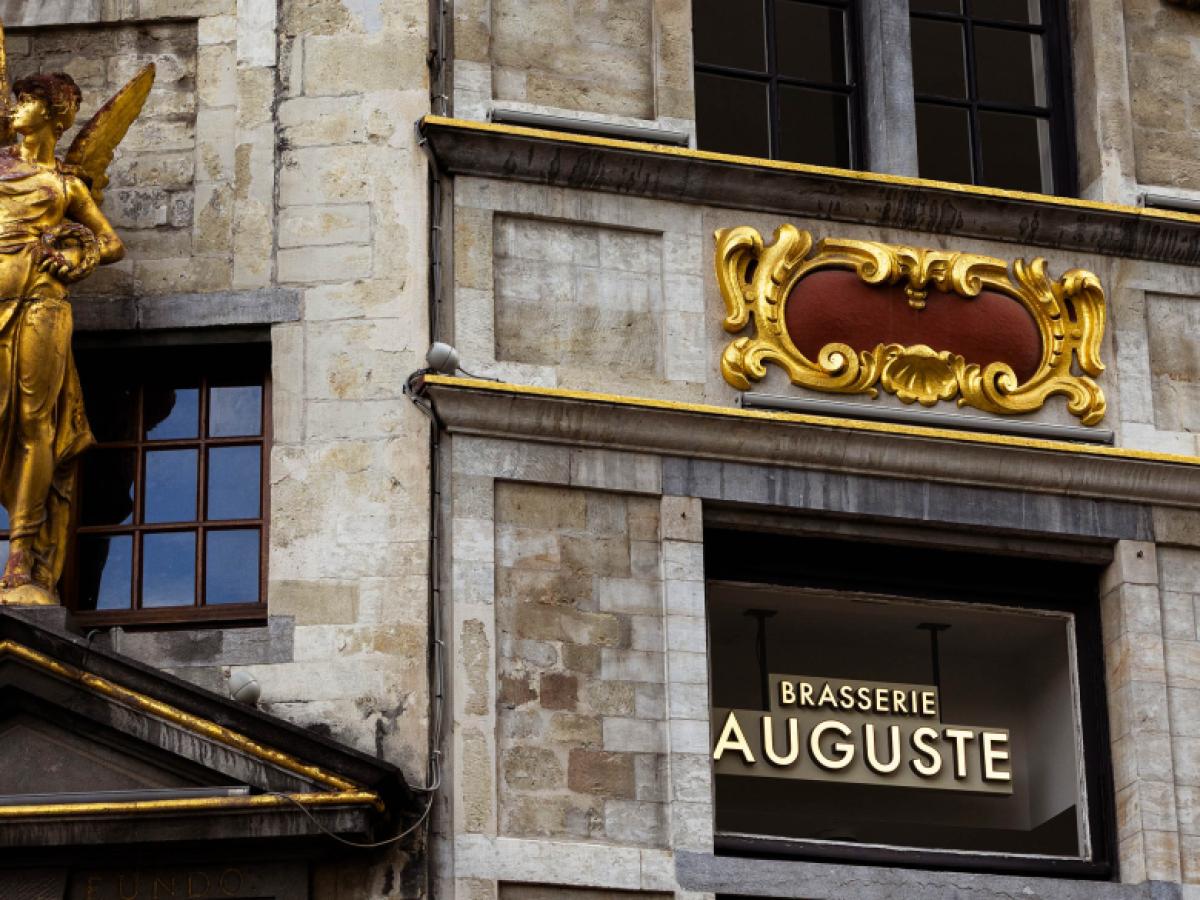
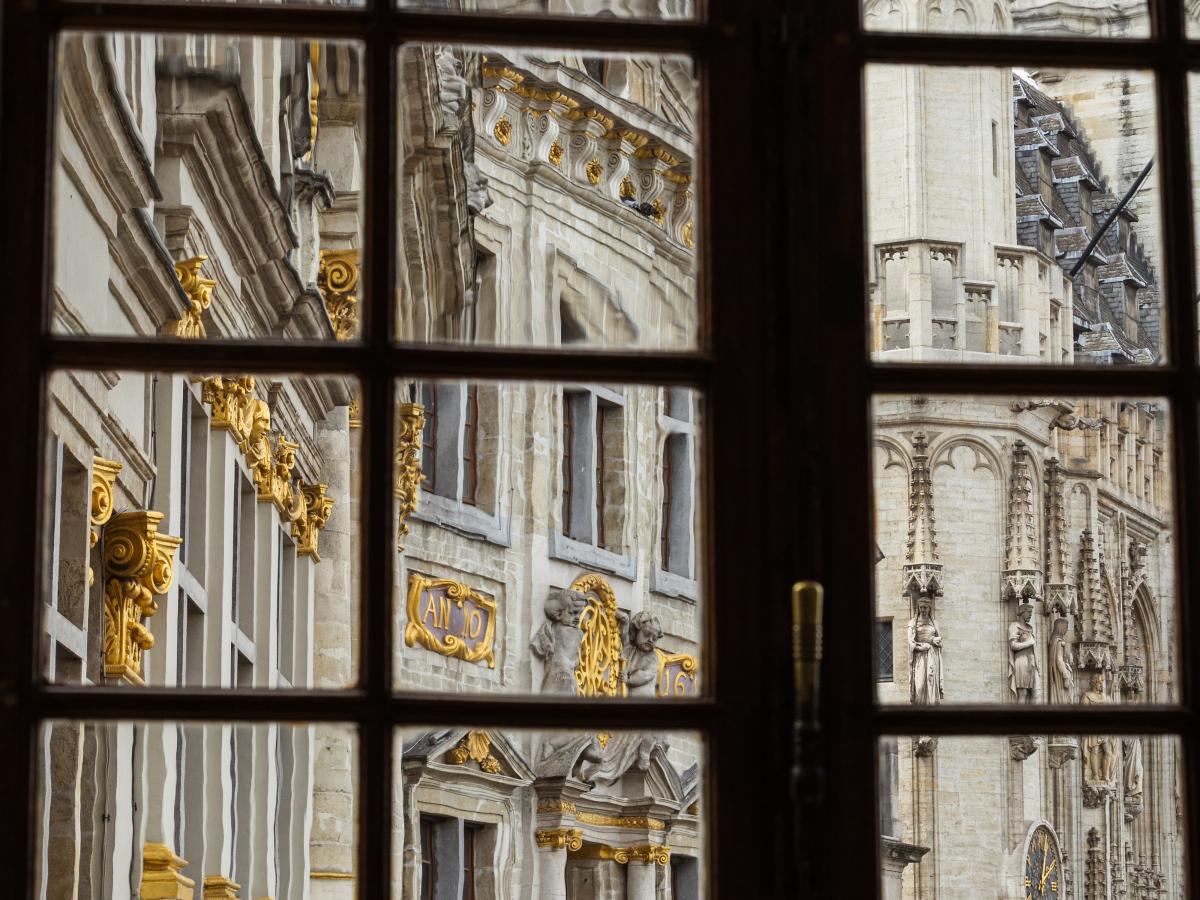
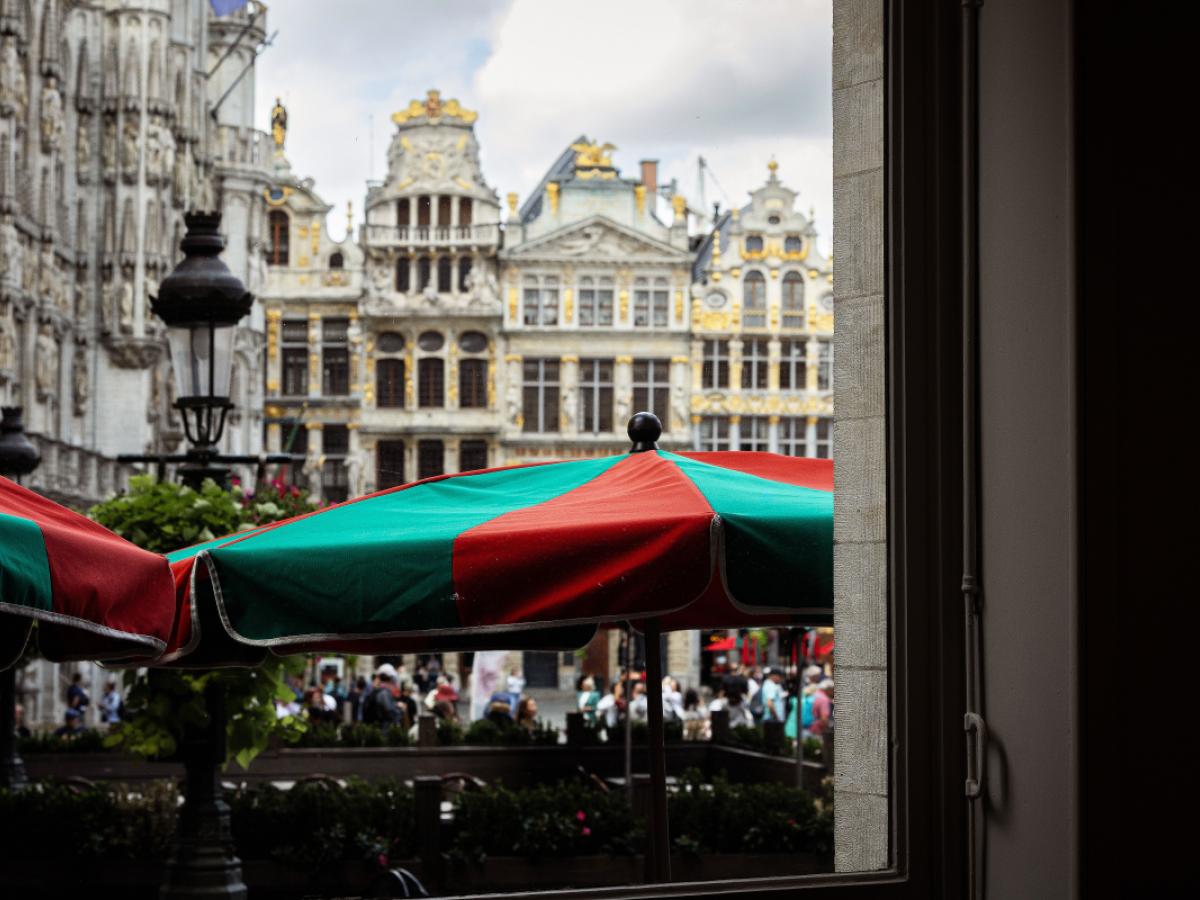
In the heart of Brussels’ Grand-Place, behind the historic façade of Brasserie Auguste, lies a house that reveals itself in stages. From the ground floor to the top floor, Auguste unfolds its story gradually. Each level possesses its own atmosphere, character and history. The vibrant energy of a grand brasserie, the heritage of a centuries-old Brussels residence, contemporary art and the elegance of more intimate spaces, all converge here.
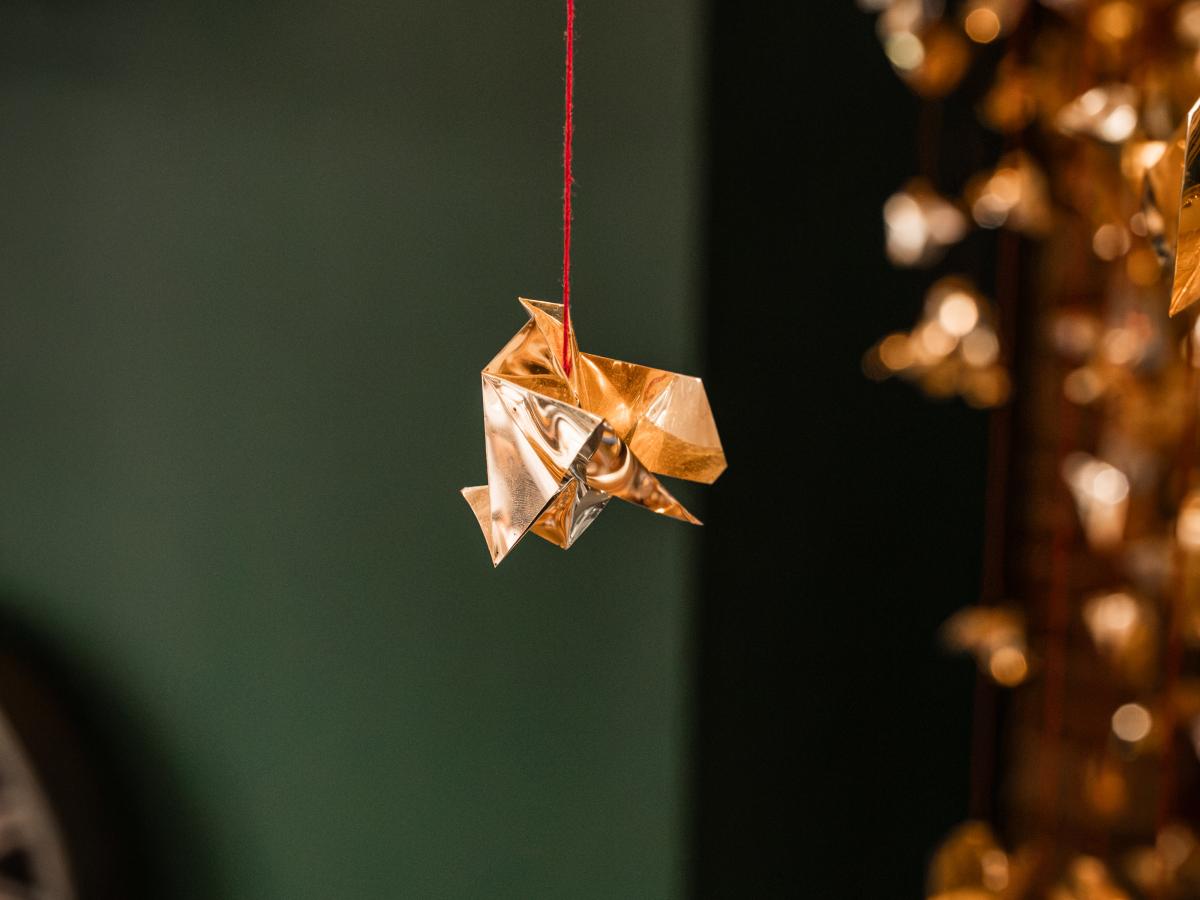
At the center of this house unfolds Tourbillon, a monumental artwork conceived by Belgian designer and artist Charles Kaisin. Composed of nearly 8,000 origami pieces, folded and assembled by hand, it guides the eye and connects the different floors of Auguste. A work in motion, at the heart of a living house.
The Brasserie
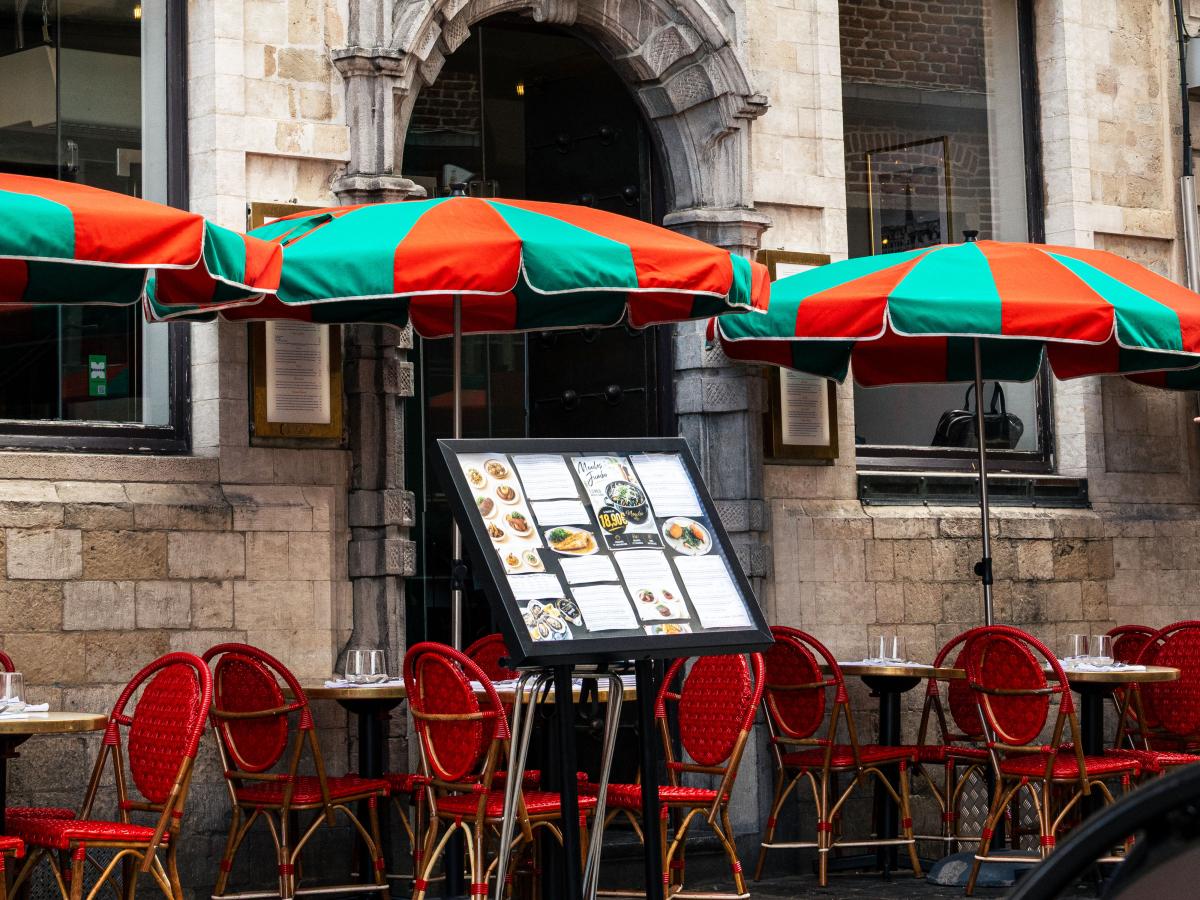
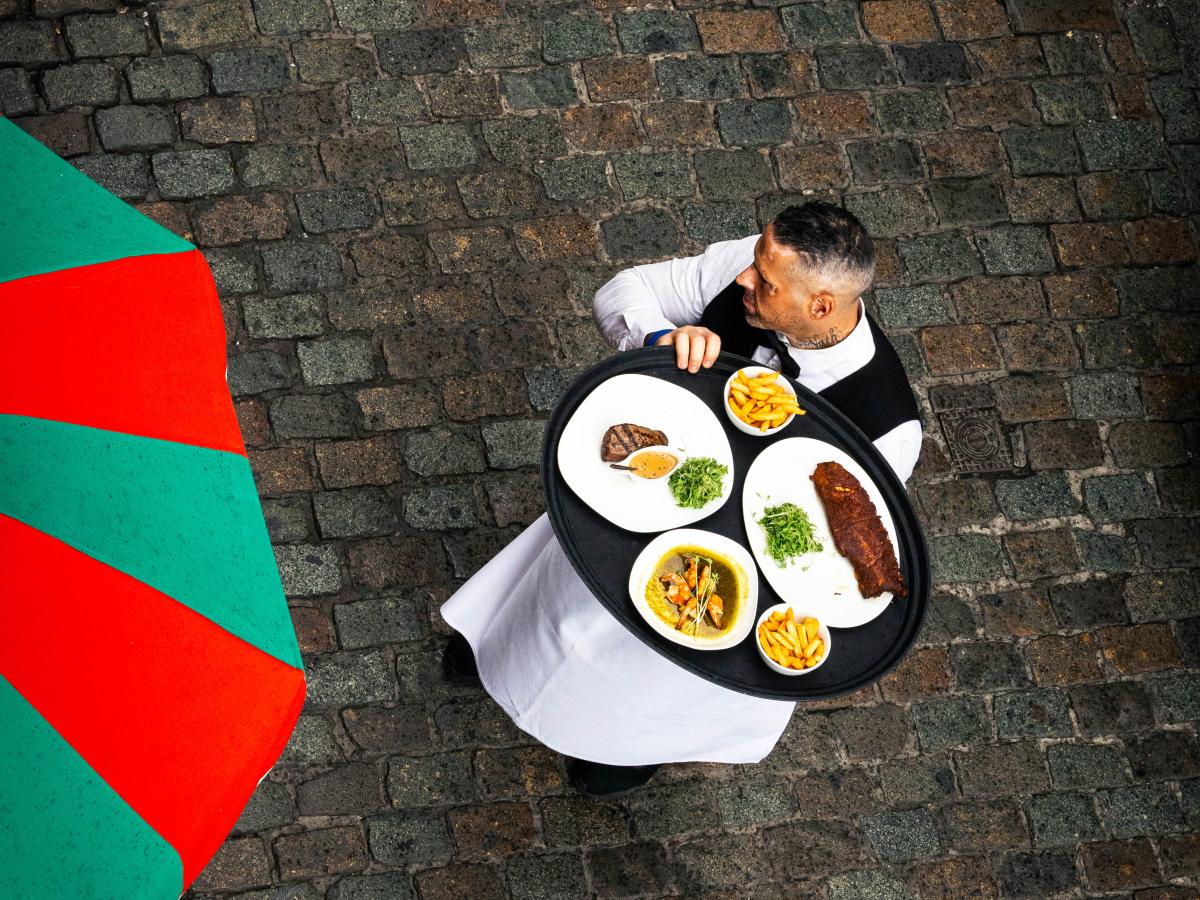
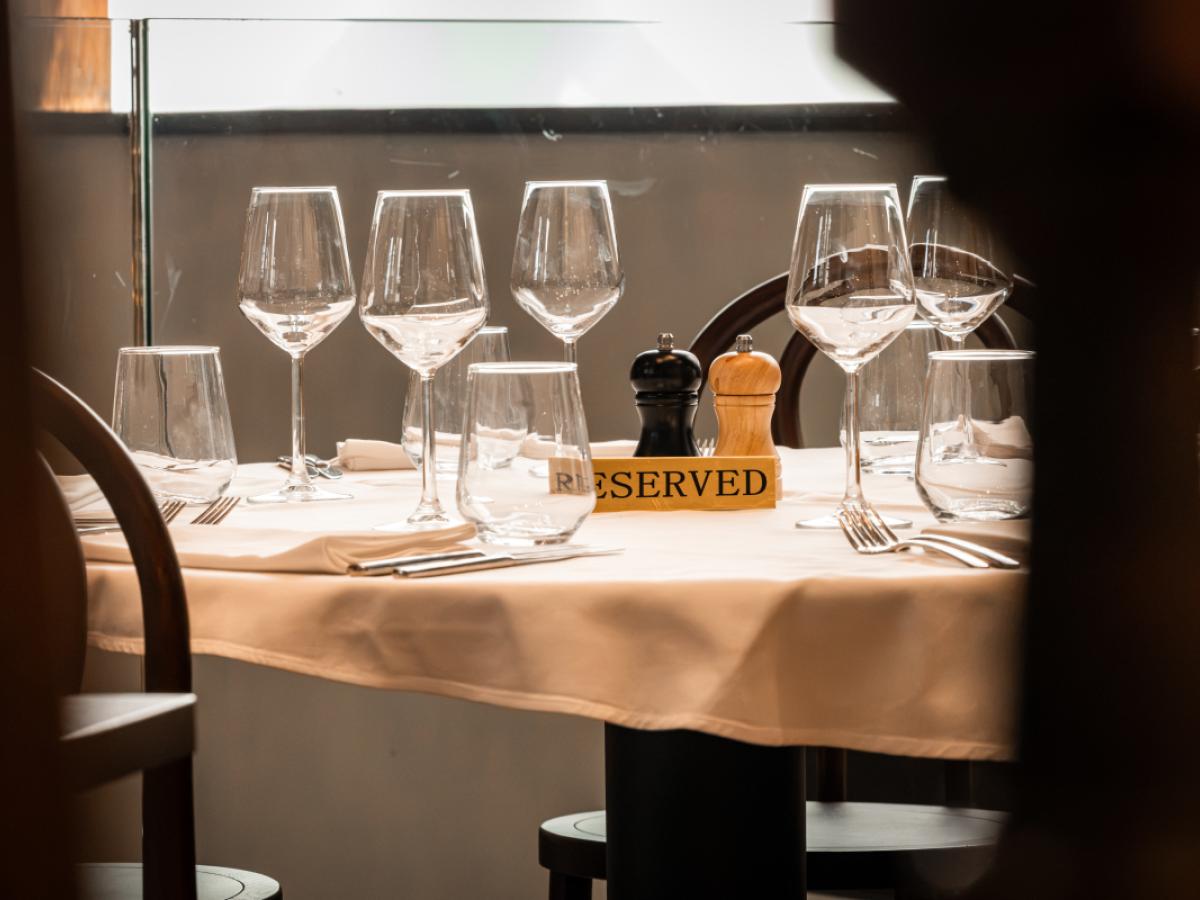
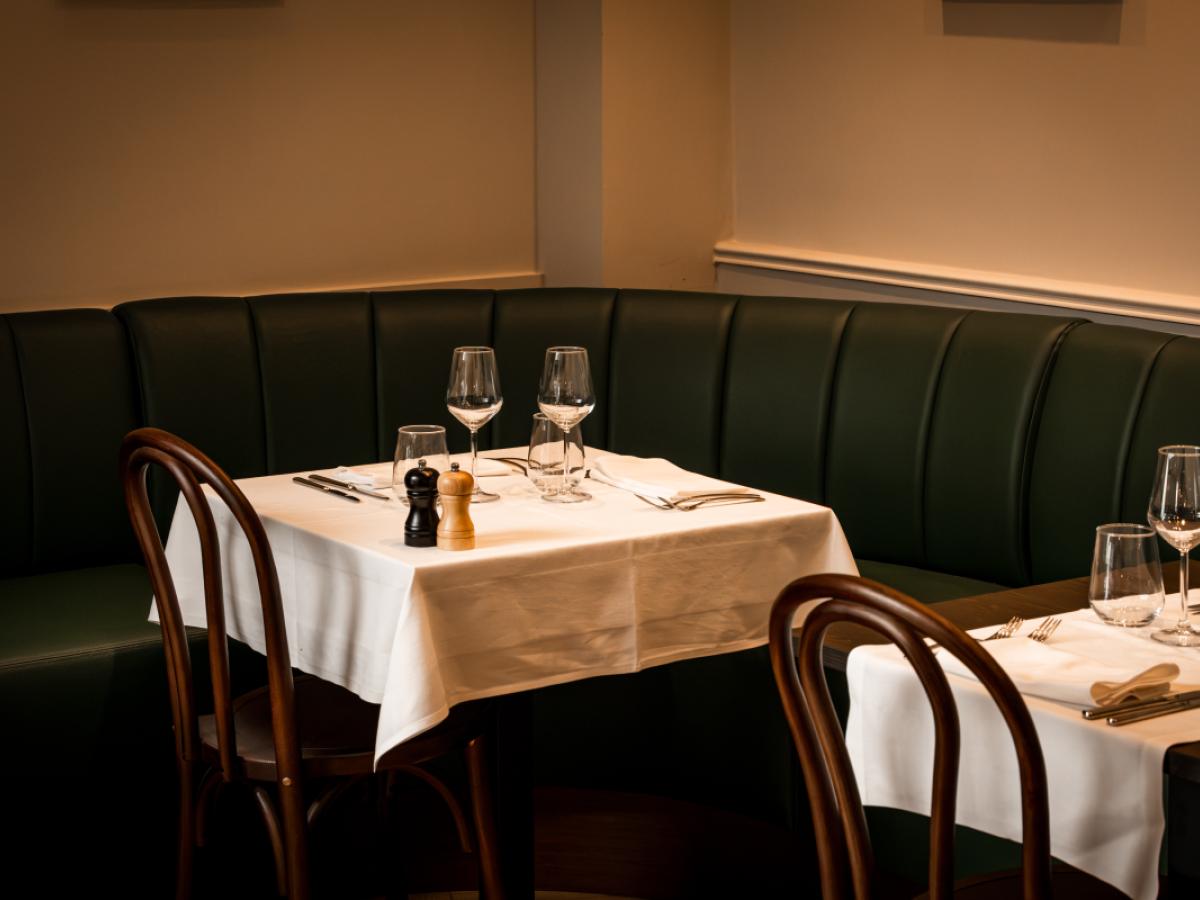
The Beating Heart of Auguste; as soon as you step through the doors of Auguste, you enter The Brasserie. It is here that the Maison reveals its energy. The murmur of conversations mingles with the clinking of glasses, the ballet of plates, the movement of the staff, and the lively atmosphere of the bar. Guests arrive, meet up, have lunch, dinner, or simply take the time to enjoy a drink overlooking one of the most famous squares in the world. The Brasserie is intentionally the most vibrant space in the Maison. It possesses that special effervescence of great brasseries: elegant without being silent, refined without ever losing its spontaneity. It is the beating heart of Auguste. And then, naturally, your gaze rises.
From the ground floor, one of the most spectacular views of Tourbillon, the work of Charles Kaisin, unfolds. Thousands of origami pieces seem to float above the room and soar through the House. Seen from below, the work reveals its full verticality and almost naturally invites one to discover what lies hidden on the upper floors.
The Workshop
Where Tourbillon came to life. A few steps higher, the atmosphere changes. Welcome to The Workshop. Its name already tells its story. It was in this space that Charles Kaisin worked, imagined and found his inspiration to create Tourbillon, the artwork that now resides at the heart of Brasserie Auguste. Its creation is the result of meticulous work. Nearly 8,000 origami pieces were folded by hand before being arranged on wires and suspended one by one, piece by piece. Thousands of gestures to give birth to a single work of art.
Beneath this apparent lightness lies a true technical feat. The elements are connected by a discreet system that allows the whole piece to move with the air currents while preventing the individual origami pieces from becoming tangled. When a breeze passes through Auguste, it's not just a few pieces that sway. The entire Tourbillon seems to breathe. The artwork then comes to life, subtly transforming and reminding us that, despite its thousands of pieces, it forms a single whole. But L’Atelier also tells a much older story. Behind this contemporary creation lies a remarkable brick wall dating back to 1650. Listed and protected, it must be preserved in its entirety: no nails, no fixings, no intervention can alter it.
The encounter is striking. On one side, a centuries-old wall, a silent witness to the history of Brussels. On the other, a contemporary artwork composed of thousands of delicate pieces suspended in space. Heritage and contemporary creation face each other without ever touching. Perhaps it is here that Auguste's spirit is most clearly revealed: a profound respect for what came before us, while simultaneously writing a new chapter in the Maison's history.
Image
Image
Image
Image
Image
Image
Image
Image
Image
One house, four worlds
In the heart of Brussels’ Grand-Place, behind the historic façade of Brasserie Auguste, lies a house that reveals itself in stages. From the ground floor to the top floor, Auguste unfolds its story gradually. Each level possesses its own atmosphere, character and history. The vibrant energy of a grand brasserie, the heritage of a centuries-old Brussels residence, contemporary art and the elegance of more intimate spaces, all converge here.
At the center of this house unfolds Tourbillon, a monumental artwork conceived by Belgian designer and artist Charles Kaisin. Composed of nearly 8,000 origami pieces, folded and assembled by hand, it guides the eye and connects the different floors of Auguste. A work in motion, at the heart of a living house.
The Brasserie
The Beating Heart of Auguste; as soon as you step through the doors of Auguste, you enter The Brasserie. It is here that the Maison reveals its energy. The murmur of conversations mingles with the clinking of glasses, the ballet of plates, the movement of the staff, and the lively atmosphere of the bar. Guests arrive, meet up, have lunch, dinner, or simply take the time to enjoy a drink overlooking one of the most famous squares in the world. The Brasserie is intentionally the most vibrant space in the Maison. It possesses that special effervescence of great brasseries: elegant without being silent, refined without ever losing its spontaneity. It is the beating heart of Auguste. And then, naturally, your gaze rises.
From the ground floor, one of the most spectacular views of Tourbillon, the work of Charles Kaisin, unfolds. Thousands of origami pieces seem to float above the room and soar through the House. Seen from below, the work reveals its full verticality and almost naturally invites one to discover what lies hidden on the upper floors.
The Workshop
Where Tourbillon came to life. A few steps higher, the atmosphere changes. Welcome to The Workshop. Its name already tells its story. It was in this space that Charles Kaisin worked, imagined and found his inspiration to create Tourbillon, the artwork that now resides at the heart of Brasserie Auguste. Its creation is the result of meticulous work. Nearly 8,000 origami pieces were folded by hand before being arranged on wires and suspended one by one, piece by piece. Thousands of gestures to give birth to a single work of art.
Beneath this apparent lightness lies a true technical feat. The elements are connected by a discreet system that allows the whole piece to move with the air currents while preventing the individual origami pieces from becoming tangled. When a breeze passes through Auguste, it's not just a few pieces that sway. The entire Tourbillon seems to breathe. The artwork then comes to life, subtly transforming and reminding us that, despite its thousands of pieces, it forms a single whole. But L’Atelier also tells a much older story. Behind this contemporary creation lies a remarkable brick wall dating back to 1650. Listed and protected, it must be preserved in its entirety: no nails, no fixings, no intervention can alter it.
The encounter is striking. On one side, a centuries-old wall, a silent witness to the history of Brussels. On the other, a contemporary artwork composed of thousands of delicate pieces suspended in space. Heritage and contemporary creation face each other without ever touching. Perhaps it is here that Auguste's spirit is most clearly revealed: a profound respect for what came before us, while simultaneously writing a new chapter in the Maison's history.